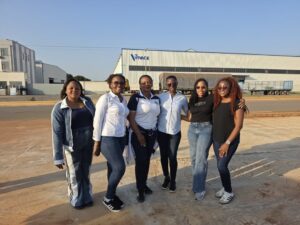
From October 1 to 11, 2026, the Autonomous Port of Lomé (PAL) in Togo hosted a delegation of trainees from Cameroon, members of the 17th class of the Autonomous Port of Douala’s (PAD) port management training program, for a study tour.
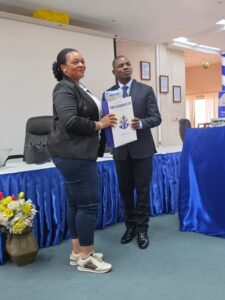
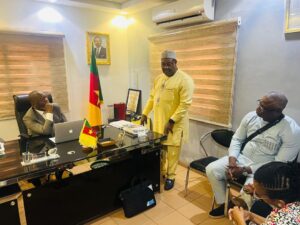
The meeting featured fruitful exchanges and discussions among the participants, including the Director of General Administration, representing the Director General of PAL; the Director of Human Resources at PAL; the President of the Association of Former Trainees; trainers from the Lomé Program; and trainees from PAL’s 14th cohort of the same training.
The presentations highlighted the importance of this cooperation for skills development and for strengthening synergies between the two port institutions. Trainees from both ports presented their research topics and the motivations behind their choices. The discussions, enriched by the trainers’ expertise, provided concrete suggestions to improve the quality of the theses currently in progress. B2B sessions with the supervisors are also planned to better guide the research work.
Visits to key strategic infrastructure sites
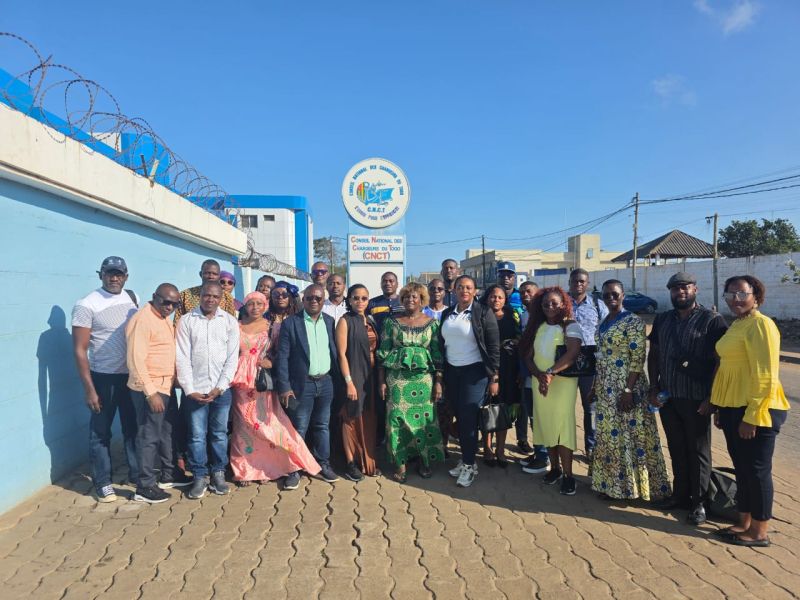
Delegation’s first visit was to the National Council of Shippers of Togo (CNCT), which provided a better understanding of its role in facilitating trade and promoting freight transport in Togo. The trainees continued their immersion with several strategic visits:
- The Lomé Container Terminal (LCT), a major player in the country’s port and logistics sector.
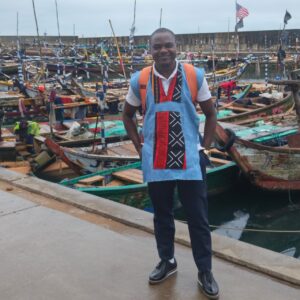
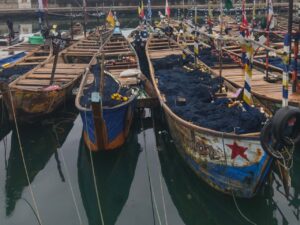
- The Lomé Wharf, a former landing stage and historic witness to the country’s commercial development.
- The Adétikopé Industrial Platform (PIA), a landmark project illustrating Togo’s ambitions in industrialization, logistics, and the local processing of raw materials.
The delegation’s last stop was the Kpémé phosphate processing plant. The technical tour, led by an engineer, allowed them to explore the entire industrial process – from raw ore to the finished product. This tour enabled the trainees to observe the environmental impact on both workers and the surrounding community.
These days in Lomé enabled participants to explore leading infrastructure projects, expand their knowledge, and strengthen ties among the next generation of port-sector professionals. Enriched by B2B exchanges and field visits, the trainees left Port of Lomé with a solid foundation of knowledge to improve their final thesis.
Programme outline
The UNCTAD TrainForTrade Port Management Programme (PMP) supports port communities in developing countries in delivering more efficient and competitive port management in the future. In order to increase trade flows and foster economic development, the programme creates port networks bringing together public, private, and international entities. The aim is to share knowledge and expertise between port operators and strengthen talent management and human resources development in port communities.