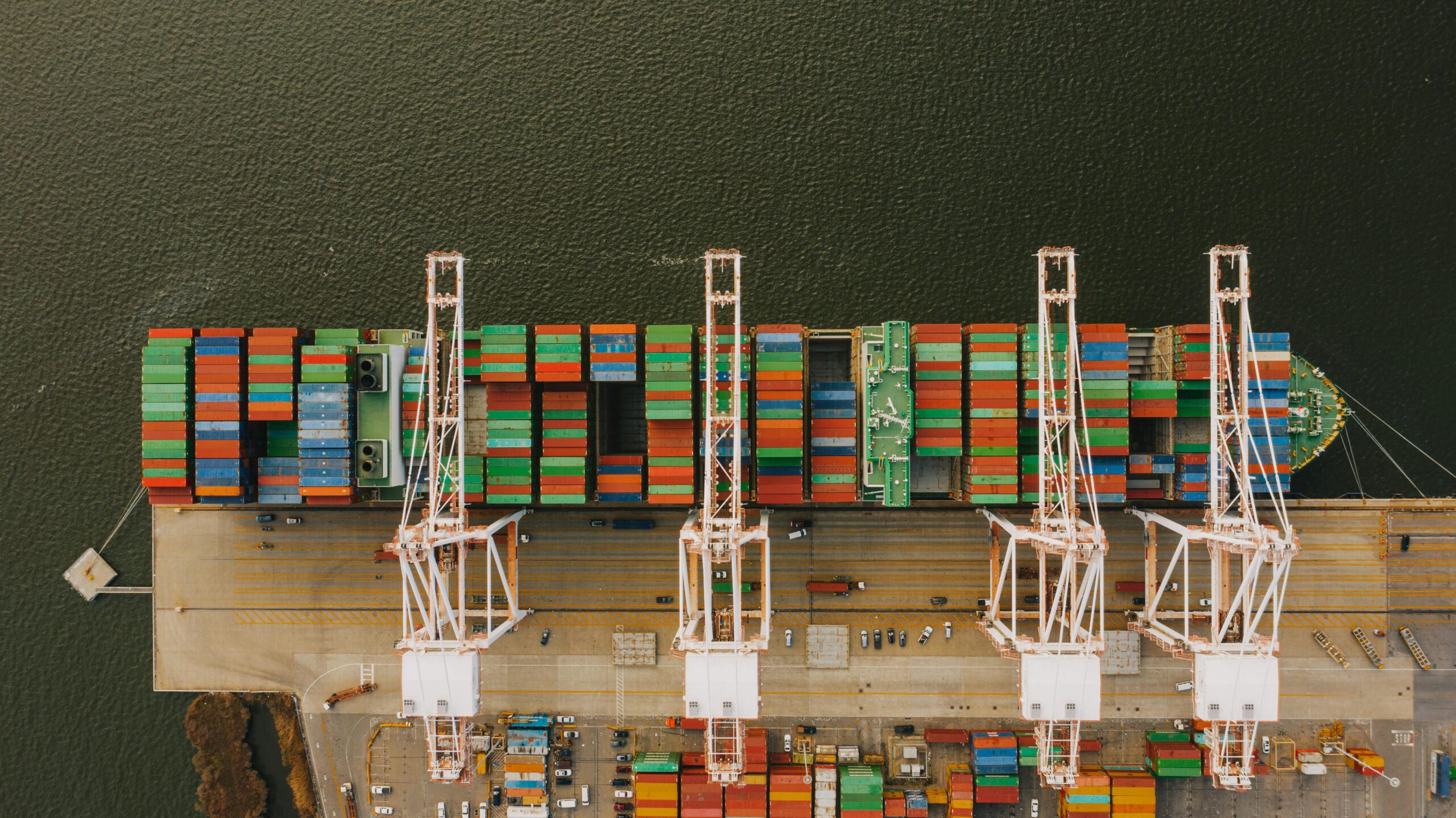
Energy transition in ports is not only about environmental issues. It also offers economic, health, and social benefits. It prepares ports for a sustainable and prosperous future and fulfills their role as key drivers of trade and economic growth.
This TrainForTrade online course supports the energy transition of ports, offering a methodology and a review of existing technologies.
Modules:
Concepts and impacts resulting from the use of fossil fuels
Explanation of basic concepts Externalities of the energy transition Climate change
Methodology for energy transition in ports
Stages of the process Concrete objectives Planning & implementation
Carbon footprint
Calculation of carbon footprint Emission sources Consumption types
Available technologies
Low-carbon fuels Renewable energy production Electricity supply to ships
Success stories
Six case studies of successful energy transition in ports: Itaqui, Los Angeles and Long Beach, Marseille, Mauritius, Singapore and Valencia
Material:
The five-week course includes case studies, practical exercises, multimedia presentations, role game session, discussion forum, and webinar.
Target Population
Port authorities
Private port companies
Port community operators
Port agents
Ministries and authorities
The dates for the course in English will be announced soon. The course in Spanish will start on 27 April 2026.